

Why It Works When Nothing Else Has
You have done everything right. You eat well. You move your body. You track, you plan, and you push through the hard days. And yet, the scale still refuses to budge.
If that sounds familiar, you are not failing. Your body has simply changed in ways that conventional dieting was never designed to address. For women over 50, weight loss is a fundamentally different challenge, and it deserves a fundamentally different solution.
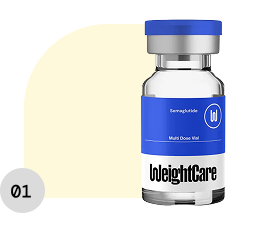
Semaglutide is that solution for thousands of women who thought they had run out of options.
Why Weight Loss Gets Harder After 50
- The frustrating reality is that the rules you followed in your 30s and 40s no longer apply. Several biological shifts combine to make weight gain easier and weight loss harder, none of which have anything to do with willpower.
- Estrogen decline changes fat storage: As estrogen levels drop during and after menopause, the body redistributes fat from the hips and thighs toward the abdomen. This "visceral" belly fat is metabolically active and linked to an increased risk for heart disease and insulin resistance.
- Metabolic slowdown: The combination of hormonal shifts and natural muscle loss (sarcopenia) means your body burns fewer calories at rest. Eating the same amount you always have can now result in gradual, steady weight gain.
- Hormonal "Miscommunication": Research shows that postmenopausal women experience changes in leptin and ghrelin—the hormones responsible for signaling fullness and hunger. Your brain may receive weaker "I am full" signals and stronger "I am hungry" signals, even after a balanced meal.
- The Cortisol Trap: Menopause-related sleep disruption and hot flashes elevate cortisol, a stress hormone that promotes fat storage and increases cravings for high-calorie "comfort" foods.
How Semaglutide Works Inside Your Body
Semaglutide belongs to a class of medications known as GLP-1 receptor agonists. It mimics a hormone your body naturally produces after eating (glucagon-like peptide 1).
In a healthy metabolic state, GLP-1 tells your brain you are satisfied, slows down digestion, and stabilizes blood sugar. In the years following menopause, these natural signals often become muffled. Semaglutide amplifies them.
- True Satiety: You genuinely feel full after eating less. Most women describe it not as "starving themselves," but as a quietness in the mind where constant thoughts about food used to be.
- Reduced Cravings: By acting on the brain’s reward pathways, semaglutide reduces the pull of high-fat, high-sugar foods that cortisol often drives you toward.
- Glucose Stability: This can be vital for women over 50 at risk for prediabetes. Stable blood sugar means fewer energy crashes and less fat storage triggered by insulin spikes.
What the Clinical Research Shows
The evidence for semaglutide is grounded in rigorous science. In landmark clinical trials, participants using the medication lost an average of 14.9% of their body weight over 68 weeks.
Critically, the research shows that metabolic improvements, including reduced blood pressure, improved cholesterol levels, and better blood sugar control, occur alongside the weight loss. These are the exact health markers that become most critical for longevity after age 50.
Long-Term Benefits Beyond the Scale
For women in this stage of life, the benefits extend far beyond a clothing size:
- Cardiovascular Protection: Losing abdominal fat reduces systemic inflammation and improves heart health markers during a window when heart disease risk typically rises.
- Joint Health: For every pound of weight lost, your knees bear four pounds less pressure. Many women find that chronic joint pain resolves faster than they ever expected.
- Improved Sleep: As weight decreases, sleep apnea and general sleep quality typically improve, which in turn lowers cortisol and makes weight maintenance easier.
Is This Path Right for You?
Semaglutide is typically prescribed for adults with a BMI of 30 or above, or a BMI of 27 or above with a weight-related health condition (such as high blood pressure or high cholesterol).
Safety Considerations:
- It is not recommended for individuals with a personal or family history of medullary thyroid carcinoma or multiple endocrine neoplasia syndrome type 2.
- Common side effects include mild nausea or digestive discomfort, which usually subside as the body adjusts to the medication.
The Takeaway
Your body has changed. The approach has to change, too. Semaglutide works because it addresses the biological root causes of weight gain after 50. It doesn't just mask the symptoms; it restores the hormonal balance that menopause disrupted.
You aren't starting over, you are finally giving your body the metabolic support it needs to succeed.
The information in this article is provided for educational purposes and does not constitute medical advice. Decisions about GLP-1 therapy should be made in partnership with a licensed healthcare provider who can evaluate your individual health history and goals.