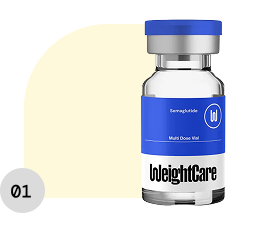



Fad diets promise fast results and rarely deliver lasting ones. The men who keep weight off long term tend to rely on the same handful of unglamorous habits: consistent strength training, a protein forward diet, portion awareness, stress management, hydration, and sleep. For some men, a doctor-prescribed medication like semaglutide or tirzepatide also plays a role when diet and exercise alone have not been enough.
Below are 21 tips organized by category. Not every tip will apply to your routine right away. Start with two or three that feel manageable and build from there.
Build Muscle and Preserve Lean Mass
1. Prioritize compound lifts. Squats, deadlifts, overhead presses, bench presses, rows, and pull-ups work multiple muscle groups at once and burn more calories than isolation exercises. Two to three sessions a week is a reasonable starting point for most men.
2. Add high intensity interval training. Short bursts of high effort work, followed by brief recovery, help preserve muscle while burning fat more efficiently than steady state cardio alone.
3. Use bodyweight training if you do not have gym access. Push-ups, lunges, squats, and planks build strength without equipment and are a practical starting point for men just getting back into a routine.
4. Train consistently, not intensely. Three sessions a week done consistently over months outperforms an aggressive routine that burns out after three weeks. Muscle mass matters because it raises your resting calorie burn, which men naturally have more of than women to begin with.
Eat for Satiety and Muscle Repair
5. Aim for 0.8 to 1 gram of protein per pound of body weight daily. Protein keeps you fuller longer and supports muscle repair after training. Good sources include chicken breast, fish, lean ground beef, beans, lentils, and tofu.
6. Build meals around unprocessed foods. Fruits, vegetables, whole grains, and lean protein provide sustained energy and reduce cravings for processed snacks. Chronic high sugar intake can contribute to insulin resistance, which makes it harder for the body to store and use energy efficiently.
7. Stock a kitchen that makes the easy choice the healthy choice. Keep brown rice, quinoa, sweet potatoes, and whole wheat pasta on hand for carbohydrates, and avocados, nuts, seeds, and olive oil for healthy fats.
8. Watch labels on sugary drinks. Soda and sweetened beverages add calories without nutritional value and can slow progress even when the rest of the diet is on track.
9. Talk to a provider before making major dietary changes if you are on a GLP-1 medication. Semaglutide and tirzepatide change hunger cues and how quickly you feel full, which often means eating smaller portions more mindfully rather than restricting food groups.
Practice Portion Control and Mindful Eating
10. Use smaller plates and bowls. A smaller plate makes a moderate portion look complete, which helps with the psychological side of portion control.
11. Eat slowly and put your fork down between bites. Slowing down gives your body time to register fullness signals before you have overeaten.
12. Remove distractions during meals. Turning off the TV and setting your phone aside reduces mindless eating and the overeating that often follows.
13. Plan meals and snacks in advance. Having healthy options ready reduces the temptation to reach for whatever is fastest when hunger hits.
Manage Stress Before It Manages Your Weight
14. Identify your stress triggers early. Cortisol, the body's primary stress hormone, is linked to increased cravings and higher visceral fat storage. Recognizing stress before it escalates makes it easier to intervene.
15. Find a physical outlet that works for you. Not everyone finds relief through yoga or meditation, and that is fine. A hike, a bike ride, or time with a hobby that fully occupies your attention can serve the same purpose.
16. Protect recovery time like you protect training time. Chronic, unmanaged stress undermines both muscle gain and fat loss. Treat stress recovery as part of the program, not an afterthought.
Stay Hydrated
17. Aim for roughly 64 ounces of water daily, adjusted for activity level and climate. Water plays a direct role in metabolizing fat through a process called lipolysis, and staying hydrated supports both energy and appetite regulation.
18. Build hydration into your routine. Carry a reusable bottle, set reminders, and flavor water with citrus or berries if plain water is hard to stick with. Choosing water over sugary drinks compounds over time.
Prioritize Sleep
19. Protect 7 to 8 hours of sleep per night. Sleep deprivation raises ghrelin, the hormone that drives hunger, and lowers leptin, the hormone that signals fullness. Under-slept men tend to eat more and move less the next day.
20. Build a consistent sleep environment. Keep the room cool (60 to 67°F), dark, and quiet. Blackout curtains, an eye mask, or a white noise machine can help if your environment is not naturally conducive to sleep.
21. Power down screens before bed. Blue light exposure close to bedtime interferes with melatonin production, which affects both sleep quality and next-day appetite regulation.
When Diet and Exercise Alone Are Not Enough
For some men, sustainable habits are not enough on their own to reach a healthy weight, particularly when age, hormones, or metabolic changes are working against them. Doctor-prescribed medications such as semaglutide and tirzepatide are GLP-1 receptor agonists that can reduce appetite and support significant weight loss when combined with the habits above. These medications require a licensed provider to evaluate your health history and determine if they are appropriate for you.
Frequently Asked Questions
What is the fastest way for men to lose weight safely? There is no truly fast safe method. A combination of a moderate calorie deficit, strength training, adequate protein, and consistent sleep produces steady, sustainable loss of about 1 to 2 pounds per week. Prescription options like semaglutide or tirzepatide may accelerate results for men who qualify under medical supervision.
How much protein do men need to lose weight? Most men benefit from roughly 0.8 to 1 gram of protein per pound of body weight daily, spread across meals to support satiety and muscle repair.
Can GLP-1 medications help men lose weight faster? Semaglutide and tirzepatide can reduce appetite and support meaningful weight loss, but they work best alongside strength training, a protein forward diet, and sleep, not as a replacement for those habits. A licensed provider can determine whether a GLP-1 medication is appropriate for your health history.
Do men need to avoid all carbs to lose weight? No. Whole food carbohydrates like brown rice, quinoa, sweet potatoes, and whole grains support training and recovery. The bigger factor is usually processed sugar and refined carbohydrates rather than carbohydrates as a category.
How long does it take to see results from strength training and diet changes? Most men notice changes in energy and how clothes fit within 3 to 4 weeks of consistent effort, with more visible body composition changes typically appearing over 8 to 12 weeks.
The information in this article is provided for educational purposes and does not constitute medical advice. Decisions about GLP-1 therapy should be made in partnership with a licensed healthcare provider who can evaluate your individual health history and goals.